


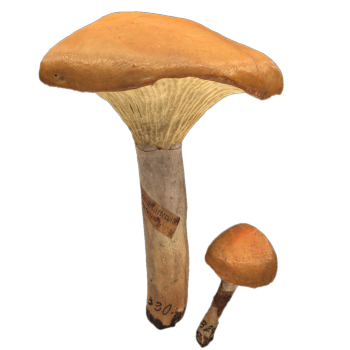
Grassland wax umbrella
Cuphophyllus pratensis (also known as grass wax umbrella) is a type of umbrella mushroom belonging to the mushroom family. In North America, it is also known as grass wax umbrella, salmon wax umbrella, or butter grass umbrella. Its fruiting body is as tall as 15 centimeters, and the cap initially appears convex, then flattened, with a slightly concave center and a diameter of up to 12.5 centimeters. The surface of the cap is smooth and dry, ranging from light salmon to orange brown. The gills are waxy, light in color, widely attached to the stem and extending downwards. The stem is smooth, cylindrical or gradually thinner towards the base, with a milky color. Spore print is white, the spores are smooth, non starchy, and elliptical in shape.

Agaricus bisporus in deciduous forests
Agaricus bisporus is a fungus belonging to the mushroom family and genus, also known as mushroom, foreign mushroom, etc. The fruiting body of Agaricus bisporus is medium-sized, with a cap width of 5-12 centimeters. It is initially semi spherical, later flattened, smooth, slightly dry with a gradual yellow color, and the edges are initially curled inward. Mushroom flesh is brown, thick, slightly reddish after injury, with a unique mushroom aroma. The gills are initially pink, then brown to black brown, dense, narrow, free, unequal in length, with a stem length of 4.5-9 cm and a thickness of 1.5-3.5 cm. They are brown, smooth, silky, nearly cylindrical, soft or medium solid inside, with a single-layer, white, membranous ring in the middle of the stem, and easy to fall off.

Chlorophyllum molybdites
This species is a large mushroom widely distributed in southern China, commonly found in fields, grasslands, flower pots, or other areas. Its prominent feature is the green color of its mature gills and spore prints. The main feature is a large body size, white cap, and brown flake scales; The surface of the stem is smooth and often has developed fungal rings. The flesh at the base of the stem turns reddish brown after injury; Fungal folds are detached, white in childhood and lead green in old age. This toxic substance has caused widespread poisoning cases in southern China. It appears harmless to humans and animals, with a morphology similar to that of an edible species. It is widely distributed, likes to grow in large groups, and has a good taste, among other factors, making it one of the most commonly ingested poisonous mushrooms.

Popular Models
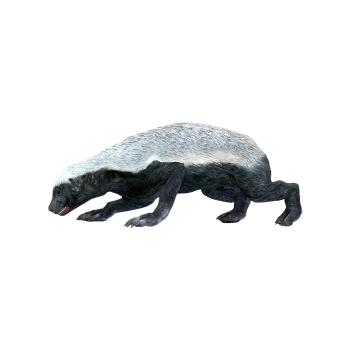
Honey Badger (3D animated model)
194 View
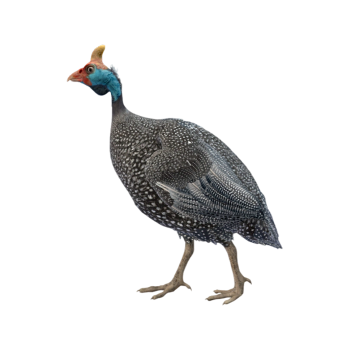
Guinea fowl (3D animated model)
165 View
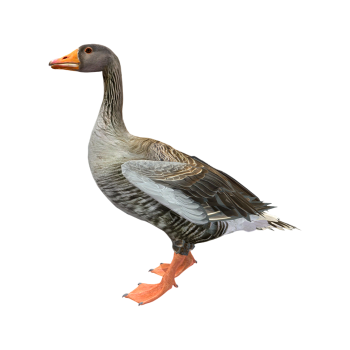
Wild Goose (3D animated model)
187 View
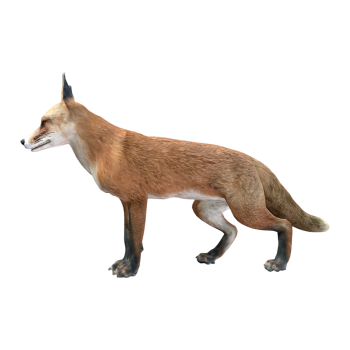
Red Fox (3D animated model)
155 View
Random Model

Big Grizzly Bear
1023 View
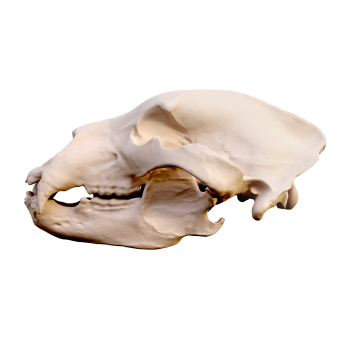
Brown Bear Skull
1290 View

F1-49C Formula One Racing
689 View


Lmbatavank Monastery in Armenia
1382 View


Ramadin El College, Lucknow, India
1007 View

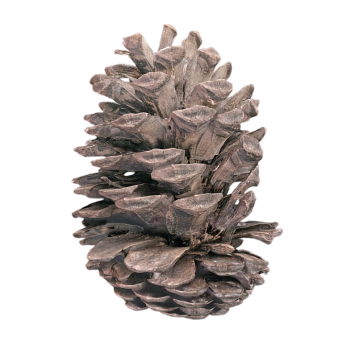
large pine cone
819 View

Japanese Flying Frog Female
814 View